Gardening Services in Hayes

Gardening Services Hayes covers practical outdoor care for homes and premises that need tidy, managed and usable green space throughout the year. We focus on the everyday work that keeps lawns, hedges, beds and borders in good order, with a clear emphasis on sensible upkeep rather than overcomplication. If you are looking for gardening services in Hayes that can handle regular maintenance or one-off work, this page sets out the core options and how they are typically approached.
Our main service areas include routine maintenance, lawn care, hedge trimming, garden clearance and larger landscaping tasks where a more involved refresh is needed. The aim is to make outside areas easier to look after and more straightforward to use. For a broader overview of what we do, you can also view the services overview, which brings the main options together in one place.
When you are ready to discuss your own garden, the quickest next step is to request a quotation with a few details about the work you want completed. If you already know the type of service you need, the pricing and quotes page is a useful place to start.
Routine garden maintenance
Regular garden maintenance is the foundation of a smart-looking outdoor space, especially where lawns, paths, borders and planted areas all need attention at different times. Our maintenance work can bring those elements back into a manageable routine, with tasks arranged to suit the condition of the garden rather than forcing everything into a fixed pattern. That may include clearing light debris, neatening edges, dealing with growth that has become untidy and keeping the general layout in better shape.
For customers who want a steadier approach, maintenance can be planned around the season and the pace at which the garden actually changes. A lawn may need repeated cutting at one stage and less frequent attention at another, while beds and borders may only need selective cutting back and tidy-up work. You can read more about this kind of ongoing care on the garden maintenance page, which is helpful if you are comparing a single visit with repeated visits.
What routine upkeep usually covers
Every garden is different, but the same practical principles apply: keep growth in check, remove clutter, and preserve the features that make the space usable. In many cases, maintenance is most effective when it is planned around what the garden needs now rather than what it looked like months ago. We can help with beds, borders, lawn edges and general tidying, so the whole space feels cared for instead of partially finished.
Lawn care and mowing

A well-kept lawn sets the tone for the rest of the garden, and mowing is often the most visible part of that care. Our lawn work is intended to keep grass neat, even and suitable for the space it occupies, whether the lawn is part of a larger landscaped area or the main open feature in the garden. The approach can vary depending on grass condition, access and whether the surface needs a light tidy or a more involved reset.
Sometimes the main issue is simply that the grass has grown too long and needs to be brought back under control. In other cases, the cut itself is only one part of the job and edging, clearing clippings or tidying adjacent borders may matter just as much. If lawn work sits alongside other garden improvements, the lawn mowing page gives a focused view of that service and how it fits with broader outdoor maintenance.
- Cutting to a suitable finish for the current condition of the grass
- Trimming around borders, paths and other defined edges
- Clearing loose cuttings where a neat final appearance matters
- Combining mowing with nearby tidy-up work when required
Hedge trimming and shaping

Hedges need more than occasional attention if they are to stay balanced, healthy in appearance and in keeping with the space around them. Trimming is usually about more than reducing height; it is also about holding a hedge within sensible boundaries, keeping growth compact and preventing it from spreading into paths, driveways or neighbouring planting. The work can be carried out with a light finish or a more decisive reduction depending on the hedge type and its current state.
Different hedges respond differently to cutting, so it is important to trim with the plant in mind rather than treating every boundary the same way. Formal hedges usually benefit from straight, even lines, while informal garden screening may need a more natural shape. If hedge work is part of a wider maintenance plan, our hedge trimming page explains the service in more detail and helps you think about the result you want.
Well-timed trimming can improve the appearance of the entire garden, but it can also help create clearer boundaries and easier access. When the hedge is already overgrown, a careful reduction may be preferable to an immediate heavy cut, particularly where the shape needs to be brought back gradually. The right finish depends on the plant and the setting, so the aim is always to trim with care rather than chase a one-size-fits-all result.
Garden clearance and recovery work
Garden clearance is useful when outdoor space has become cluttered, neglected or difficult to use because of dense overgrowth, accumulated cuttings or general untidiness. This type of work is more involved than routine tidying and often begins with clearing away the obvious material so the remaining structure can be assessed properly. Once the main debris is removed, the garden can usually be brought back to a more workable condition, ready for regular maintenance or a more considered redesign.
Clearance work can be especially helpful where a garden has been left for some time and needs a practical starting point before any finer improvements are considered. In those situations, the order of work matters: remove the waste, regain access, then decide what should stay and what should be cut back or removed. You can view the garden clearance page if you want a closer look at this service and how it differs from routine maintenance.
For many customers, clearance is the first stage in making the garden useful again. It may reveal borders, paths, lawn edges or planting areas that were previously hidden by growth. If you are preparing for a follow-on service afterwards, a straightforward note of the areas involved is usually enough to begin the conversation. Keep the request clear, and the work can be assessed more accurately from the start.
Landscape gardening and planned changes

Landscape gardening is the part of our work that moves beyond upkeep and into shaping the garden more deliberately. This can involve rethinking the layout, improving the flow between different areas, or introducing features that make the space feel more coherent and useful. Rather than treating the garden as a set of separate tasks, landscape gardening considers how lawns, borders, paving, planting and levels work together.
Some customers want a modest refresh, while others are looking for a fuller redesign that changes how the outside space is experienced day to day. The right solution depends on the existing structure, how the area is used and what needs to remain in place. For a closer look at this side of the work, the landscape gardening page is a helpful place to compare practical options before deciding how far you want to go.
It is often useful to think in stages when planning changes. That may mean improving one side of the garden first, introducing a cleaner boundary between areas or making space for better planting later on. A measured approach can be especially sensible where the garden has a strong existing shape that only needs refining rather than replacing.
Materials, structure and broader landscaping
Building useful outdoor structure
Landscaping work can include the kinds of changes that give a garden better structure, not just better appearance. That may involve new edging, reworked ground levels, defined planting zones or features that make the space easier to navigate. Where a garden lacks clear boundaries, careful landscaping can provide shape and direction without making the area feel overbuilt. The result is usually a more ordered space that is easier to maintain in future.
Some projects also need physical features that sit alongside the planting and open areas, which is where the broader landscaping service becomes relevant. It covers the practical work of changing the garden’s framework, from first adjustments to the final presentation. If a scheme is more modest, the approach can stay focused on the most visible and useful improvements rather than trying to change everything at once.
Useful landscaping is rarely about decoration alone. It should support movement, drainage, visibility and the day-to-day use of the garden, while still fitting the character of the property. A thoughtful design can make a small garden feel more organised and a larger garden easier to divide into sensible sections.
Decking for seating, access and layout
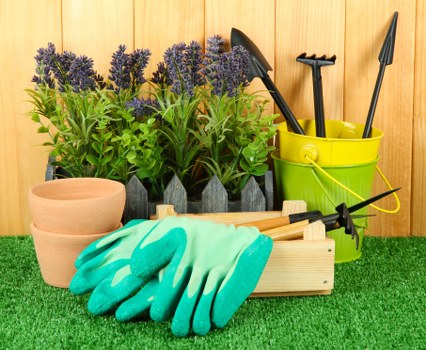
Decking can turn an underused area into a more practical surface for sitting, walking or connecting different parts of the garden. It is often chosen where a level platform is needed or where a change of material helps define a distinct outdoor zone. The key is to make the finished area suit the garden rather than overwhelm it, so shape, position and finish all matter.
When decking is part of a wider plan, it may be used to complement planting, lawn space or other hard landscaping. This kind of work can support a more comfortable and versatile layout, especially where the garden is uneven or has awkward corners that benefit from a clearer structure. You can read more on the decking services page if decking is one of the options you are considering.
We also take account of how the surface will be used over time, including access around it and how it sits beside surrounding features. That practical view helps keep the result balanced and easier to live with. If you are comparing decking with other surface choices, it is worth thinking about whether the priority is relaxation, access or a cleaner division between areas.
About Hayes
Hayes is a west London town in the London Borough of Hillingdon, long associated with transport links, industry and later suburban growth. Historically, it developed from a rural settlement into a more built-up place as canals, railways and roads improved access to the capital and surrounding districts. The Grand Union Canal passes nearby, and the area’s growth was shaped by the transport corridors that linked it to the wider metropolitan economy. Its older roots can still be traced in the name itself, which appears in medieval records and reflects the long continuity of settlement in the area. Over time, the opening of railway stations and the spread of housing changed Hayes from a village landscape into a busy urban centre with distinct residential districts and commercial stretches. The town is also closely associated with the former EMI works, a major name in recording and manufacturing history, which gave Hayes a notable place in twentieth-century cultural and industrial life. Around the town centre, the built environment mixes older public buildings, later retail development and everyday local streets, while nearby open spaces and canal-side walks provide a contrast to the denser urban fabric. The result is a place with a layered identity: partly industrial, partly residential and steadily shaped by movement, work and expansion. Today, Hayes continues to sit within the larger West London pattern of town centres, local parks and transport corridors, with a character that reflects both its historic development and its role in the wider borough.
Preparing a clear quotation request
When you want a quotation, the most useful starting point is a concise description of the garden and the work you want done. It helps to mention the type of service, the areas involved and whether the job is routine maintenance, a clear-out or a more detailed project. If the garden has access restrictions, uneven ground or particular features that matter, include those too. This is also the point to mention whether you want a one-off visit or a more regular arrangement.
If you are comparing options, it can be sensible to separate the immediate task from the longer-term outcome. For example, a garden may need presentable tidying now and a fuller plan later, or a hedge may need shaping before a different area can be tackled. Where that helps, the contact us page is the straightforward way to begin a proper conversation about scope, timing and the best order of work.
To move things forward, send a brief outline of what you need, and ask for the next available assessment of the job. A clear request makes it easier to match the service to the condition of the garden and the result you want.
Choosing the right service level
Not every garden needs the same kind of attention, so it helps to match the service level to the condition of the space. A lightly used garden may only need periodic mowing and hedge trimming, while a busier or neglected area may need a clearance first and then a maintenance plan afterwards. The key is to avoid paying for work that is too broad when a narrower service would do, or choosing a small tidy-up when the space really needs a fuller reset.
For that reason, it is worth thinking about what the garden is meant to do now. Is it a space for children, growing plants, sitting outside or simply keeping neat from the street? The answer affects whether the focus should be on mowing, pruning, structural changes or a combined approach. If you want to review how those options fit together, the services overview can help you compare the main choices before you ask for a quote.
Our work is shaped by the job in front of us, not by a fixed package that ignores the garden’s condition. That is often the best way to keep the result sensible, tidy and suitable for the property.