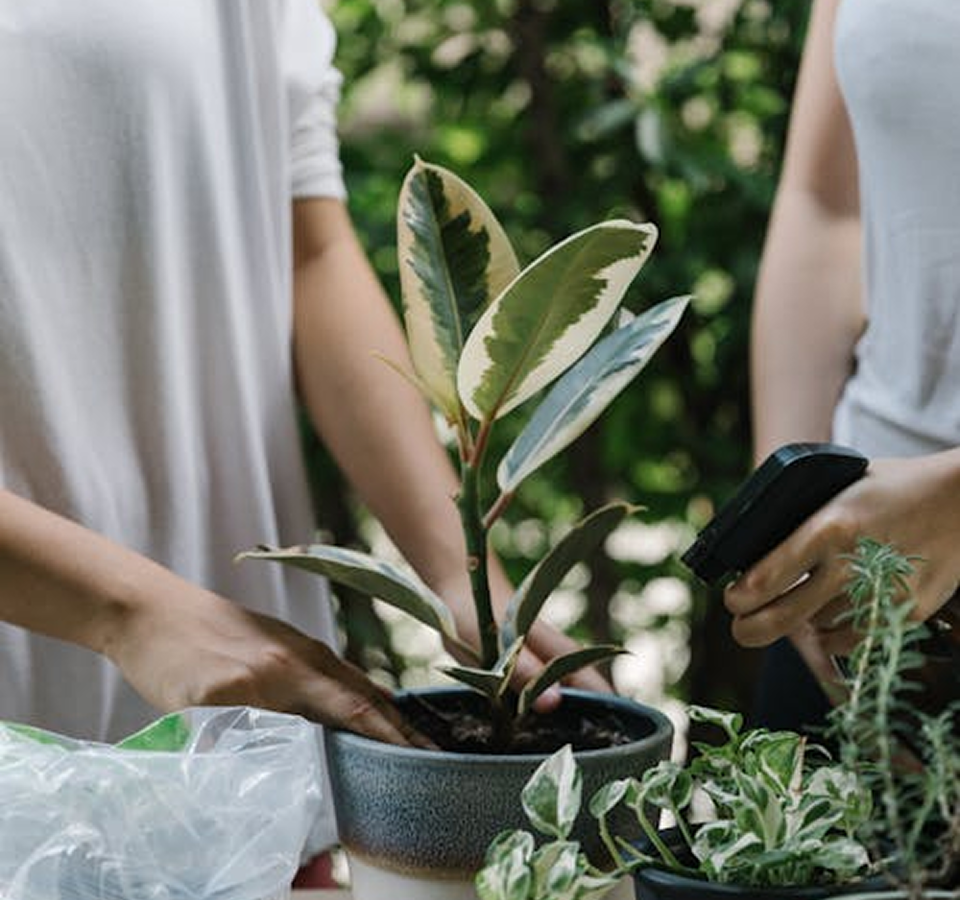
Gardening services for Hayes Town centre patios: practical, local help for compact outdoor spaces
Patios in Hayes Town centre can be brilliant little spaces. A few pots, a clean layout, maybe a bench or a table, and suddenly you have somewhere to drink tea, meet friends, or just sit outside for five quiet minutes. The problem is that small patios can also become untidy quickly. Leaves build up in corners, moss creeps across paving, containers dry out, and the whole space starts feeling neglected rather than useful. That is where gardening services for Hayes Town centre patios make a real difference.
Whether your patio sits behind a shop, flat, office, cafe, or home, regular care keeps it looking sharp and usable. In a busy town centre, with foot traffic, shade, pollution, and limited space, patio gardening is less about grand design and more about smart, consistent upkeep. This guide explains what those services include, who they suit, how the work is usually approached, and what to look for if you want results that last.
Expert summary: The best patio gardening in a town centre is not flashy. It is tidy, practical, safe, and suited to the space you actually have. Good maintenance protects paving, improves presentation, and makes small outdoor areas feel calm instead of cluttered.
Table of Contents
- Why gardening services for Hayes Town centre patios matters
- How gardening services for Hayes Town centre patios works
- Key benefits and practical advantages
- Who this is for and when it makes sense
- Step-by-step guidance
- Expert tips for better results
- Common mistakes to avoid
- Tools, resources and recommendations
- Law, compliance, standards, or best practice
- Options, methods, or comparison table
- Case study or real-world example
- Practical checklist
- Conclusion
- Frequently asked questions
Why gardening services for Hayes Town centre patios matters
Patios in town centres work harder than people think. They are exposed to more dirt, more footfall, more litter, and often less sunlight than suburban gardens. In Hayes Town centre, a patio may be tucked between buildings, bounded by walls, or shaded by neighbouring structures. That creates a very specific maintenance challenge. The space can look tired even when it is small, simply because every surface is visible and every weed stands out.
A well-kept patio does more than look nice. It changes how a space feels. A swept, planted, carefully maintained patio feels intentional. It signals care. It can make a business frontage more welcoming, a rental property more appealing, and a private courtyard more usable through the week, not just on the rare sunny day when everyone suddenly remembers they own outdoor furniture.
There is also a practical side. Moss and algae on paving can become slippery. Pots left unmanaged can stain surfaces or overflow. Dying plants attract pests. Even a tiny corner with accumulated leaves can start to smell damp after a wet spell, especially in winter. Truth be told, town centre patios can go from decent to gloomy very quickly if nobody is watching them.
Regular gardening support helps prevent that slide. It is a maintenance choice, yes, but it is also a presentation choice and, in some cases, a safety choice. If the patio is part of a customer-facing space, the difference between "looked after" and "forgotten" is often just one visit away.
How gardening services for Hayes Town centre patios works
Most patio garden work starts with a simple review of what is already there. That sounds obvious, but it matters. Small spaces need decisions. Which plants are worth keeping? Are the pots healthy? Is the paving sound? Does water drain properly after rain, or is there a puddle that sits there like it owns the place?
A good service usually looks at five things first:
- Surface condition - paving, grout, edging, staining, moss, algae, and trip hazards.
- Plant health - whether plants are suitable for shade, sun, wind, and container size.
- Container management - pot placement, drainage, soil quality, and watering needs.
- Practical access - whether the patio is easy to reach, and what time of day work can happen with minimal disruption.
- Maintenance level - weekly tidy-up, seasonal refresh, one-off restoration, or a mix of all three.
From there, the work can be tailored. For example, a cafe patio might need regular sweeping, deadheading, and replanting with robust seasonal colour. A residential courtyard might benefit more from pruning, pot reshaping, and a clearer layout so it feels bigger. A landlord may simply want a low-maintenance refresh that stops the area looking bare between tenancies.
If the patio is part of a wider outdoor maintenance plan, it is often sensible to review the broader garden services available locally so the work is joined up rather than piecemeal. That is especially useful when you need border care, planting, and hard-surface upkeep to work together.
One thing people sometimes forget: patio gardening is not only about plants. It is about the entire outdoor room. The chair placement, the edge clean-up, the balance between greenery and paving, the feel when you walk out the door. Small space, big effect.
Key benefits and practical advantages
There are plenty of reasons to invest in patio garden care, but the strongest ones are usually practical rather than decorative. A neat patio makes day-to-day life easier. You spend less time worrying about weeds, less time scrubbing slippery patches, and less time trying to rescue plants that never suited the spot in the first place.
Key benefits include:
- Better first impressions - useful for homes, rentals, hospitality spaces, and customer areas.
- More usable space - a patio becomes somewhere people actually want to sit.
- Improved safety - regular cleaning reduces slip risks from moss, algae, and debris.
- Healthier planting - the right pruning, feeding, and watering routine helps containers last longer.
- Less waste - replacing fewer plants and managing materials properly saves money and effort.
- Lower stress - someone else keeps the area in shape, which is a relief if you already have enough on your plate.
There is also the local context to consider. Town centre patios often face dust, traffic residue, and changing microclimates created by surrounding buildings. A specialist who understands compact urban spaces can choose plants that cope better with shade, wind tunnels, and reflective heat from walls and paving.
Another often-overlooked advantage is consistency. A patio can look good for a week after a big tidy-up. Keeping it good is the real win. That is where scheduled gardening work outperforms the occasional scramble before visitors arrive.
Who this is for and when it makes sense
Gardening services for Hayes Town centre patios are a smart fit for several kinds of property. The obvious one is a homeowner who wants a manageable outdoor area without spending every Saturday pulling weeds. But the audience is broader than that.
This is especially useful for:
- Flat owners with compact terraces or courtyard patios.
- Landlords who want outdoor spaces to remain presentable between lets.
- Cafes, shops, and hospitality venues where the patio forms part of the customer experience.
- Office and commercial premises that need tidy external areas for staff and visitors.
- Busy households that want outdoor space without the upkeep burden.
- Older properties where paving, containers, and planting have become a bit patchy over time.
It also makes sense when your patio has moved from "charming" to "hard work." Maybe the pots are too heavy to move. Maybe the weeds keep returning in the joints. Maybe the layout never quite worked and now the space feels smaller than it is. That is a very common situation, by the way. Not a failure. Just a sign the patio needs a better system.
If you are unsure whether to book a one-off tidy or an ongoing service, a sensible first move is to review the pricing and quote options. That gives you a clearer sense of what level of support fits the space and your budget.
Step-by-step guidance
If you are approaching patio gardening for the first time, it helps to think in stages. A tidy result usually comes from a simple sequence, not a dramatic makeover. Here is the process that tends to work best.
- Assess the space
Look at how the patio is used, where water sits, which areas gather dirt, and whether any plants are struggling. A quick walk-through in daylight often reveals more than people expect. - Clear the clutter
Remove dead leaves, broken pots, old labels, spare compost bags, and anything that no longer belongs there. Tiny patios are unforgiving. One extra item can make the whole area feel cramped. - Clean the paving and edges
Sweep thoroughly, then deal with moss, staining, and algae carefully using appropriate methods for the surface. Overly aggressive cleaning can damage joints or lift material. - Prune and reshape plants
Cut back tired growth, remove dead stems, and bring shape back to container planting. The aim is not to make everything tiny. Just better balanced. - Improve containers and soil
Refresh compost, check drainage holes, and replant where needed. A tired pot with compacted soil rarely turns around by magic. - Reset the layout
Move pots, seating, and accessories so the patio feels open and practical. Sometimes the best "garden improvement" is simply better spacing. - Set the maintenance rhythm
Decide whether the space needs weekly, fortnightly, monthly, or seasonal care. A patio with lots of containers usually needs more attention than one with a few hardy shrubs.
A good provider will usually explain what is urgent and what can wait. That matters. Not everything needs doing at once, and not every small issue is a problem. Careful judgement beats over-treatment every time.
Expert tips for better results
Patio spaces reward restraint. You do not need a lot of plants to create a good effect; you need the right plants in the right places. That is a subtle but very useful difference.
Some practical tips that make a real difference:
- Choose plants for the actual light level rather than the light you wish you had. A shaded patio with sun-loving plants is a losing battle.
- Use containers with proper drainage. Decorative pots are fine, but waterlogged roots are not.
- Keep a clear edge between planting and paving. It makes cleaning easier and the whole area looks sharper.
- Mix structure with softness. Evergreens, grasses, and one or two seasonal highlights usually work better than a jumble of unrelated plants.
- Water deeply but sensibly. Frequent light watering is often less effective than a proper soak, especially in warmer weather.
- Refresh soil regularly. Container plants depend on you more than border plants do. They are a bit needy, to be fair.
- Watch the wind. Town centre patios can be surprisingly breezy between buildings, which dries pots out fast.
Another tip: keep a simple seasonal routine. Spring is for cleaning and replanting. Summer is for watering and trimming. Autumn is for leaf clearance and cutting back. Winter is for checking damage, drainage, and protection. Nothing fancy. Just steady.
If sustainability matters to you, ask how green waste and old materials are handled. A responsible approach should include proper disposal and reuse where possible. You can also review the company's recycling and sustainability approach if you want to understand how waste is managed.
Common mistakes to avoid
Patio gardening is not complicated, but a few mistakes show up again and again. Most are easy to avoid once you know what to watch for.
- Picking the wrong plants - shade plants in full sun, or delicate plants in a windy exposure, will struggle.
- Ignoring drainage - many patio problems begin with water sitting where it should not.
- Overcrowding the space - too many pots can make even a good patio feel smaller and harder to maintain.
- Letting moss and algae linger - especially on paving where people walk.
- Using too much pressure on surfaces - harsh cleaning can damage joints or weaken older paving.
- Forgetting seasonal change - a patio that looks good in May may look scruffy by October if nobody adjusts it.
- Assuming one big tidy-up is enough - it rarely is. Not for long, anyway.
A common one in town centres is choosing plants for looks alone. Pretty is fine. But if the plant sulks in the site conditions, you end up replacing it sooner than you planned. A better approach is attractive and appropriate. That little "and" saves a lot of hassle.
Tools, resources and recommendations
You do not need a shed full of specialist kit to maintain a patio well, but a few tools make the work much easier. If the service is ongoing, the provider will usually bring the right equipment. If you are doing some of the lighter upkeep yourself, the basics matter.
| Task | Useful tool or material | Why it helps |
|---|---|---|
| General tidying | Stiff broom, dustpan, leaf grabber | Keeps paving and corners clear |
| Plant care | Secateurs, watering can, hand fork | Makes pruning and watering more controlled |
| Container refresh | Quality compost, gravel for drainage, gloves | Supports healthy roots and cleaner planting |
| Surface maintenance | Appropriate patio cleaner, brush, scraper | Helps remove build-up without over-damaging the surface |
| Ongoing planning | Simple seasonal checklist | Keeps the patio from drifting into neglect |
For many Hayes Town centre patios, the best "resource" is a practical service plan. That might mean a one-off restoration followed by lighter maintenance visits. If you want the work handled professionally, the full services overview is a good place to understand the scope of support available.
You may also want to check how payments are handled and what security measures are in place, particularly if you are arranging recurring visits for a property or business. The payment and security information is useful for that kind of peace of mind.
Law, compliance, standards, or best practice
For patio gardening, the biggest compliance issues are usually practical rather than complicated. Safe working, responsible waste handling, clear communication, and sensible access arrangements all matter. If the patio is in a commercial setting or shared building, it is especially wise to avoid blocking exits, creating slip hazards, or leaving tools unattended.
Good providers typically work in line with normal UK expectations around health and safety, risk awareness, and insurance. That does not mean every job is high risk, of course. But even small patio work can involve sharp tools, uneven paving, lifted pots, or cleaning products that need care. A professional approach means treating those things properly, not waving them away.
If you are hiring someone, it is fair to ask how they manage risk, what happens if damage occurs, and whether they have suitable public liability cover. You can also review the company's insurance and safety information and the health and safety policy before work starts.
For customers who like terms spelled out clearly, the supporting policy pages are worth a glance too. The terms and conditions explain the service relationship, while the about us page helps you understand the people behind the work. None of that is glamorous, but it builds trust. And trust matters.
If you ever need to raise an issue, it is also reassuring to know there is a clear complaints procedure. The best services do not just talk about quality. They make it easy to communicate when something needs attention.
Options, methods, or comparison table
Different patios need different levels of care. Some people want a quick tidy. Others need a full reset. Here is a straightforward comparison to help you think it through.
| Service type | Best for | Typical focus | Notes |
|---|---|---|---|
| One-off tidy-up | Patios that have become messy or overgrown | Clearing, pruning, sweeping, basic reshaping | Good for a reset, but not a substitute for upkeep |
| Scheduled maintenance | Homes and businesses that want a consistently neat look | Regular sweeping, light pruning, plant care, weed control | Often the most practical option for town centre patios |
| Seasonal refresh | Patios that look tired at certain times of year | Replanting, compost replacement, layout updates | Useful in spring and autumn especially |
| Problem-solving visit | Areas with drainage, moss, or layout issues | Diagnosis, targeted cleanup, recommendations | Helpful where the patio keeps recurring problems |
In many cases, the best route is a mix. A town centre patio may need a deeper initial clean, then lighter monthly visits to keep it stable. That way you are not constantly starting from scratch. Which, let's be honest, nobody enjoys.
Case study or real-world example
Here is a realistic example. A small cafe near Hayes Town centre had a paved patio with six containers, a few chairs, and a narrow strip against the wall that always collected leaves and dust. The owners wanted it to feel more inviting, but they did not want anything too fussy. Fair enough.
The first visit focused on clearing clutter, trimming back overgrown plants, and dealing with moss in the paving joints. Two pots were replaced because the plants were effectively done for. The layout was then opened up slightly so the seating felt less squeezed. Nothing dramatic. Just cleaner lines and healthier planting.
On the second visit, the container mix was simplified. Shade-tolerant plants were used near the wall, and sturdier seasonal planting was added where the light was better. That mattered because one side of the patio got very little sun, especially in the morning. A common town-centre issue, that.
The result was a patio that felt brighter and easier to use. The staff had less to clear before opening, the seating area looked more welcoming, and the whole space felt like part of the business rather than an awkward extra. No miracle, no grand redesign. Just good maintenance and sensible choices.
Practical checklist
Use this checklist if you are planning gardening services for a patio in Hayes Town centre.
- Check how the patio is used day to day.
- Identify areas where moss, algae, or leaf build-up appears.
- Look at plant health, not just appearance.
- Confirm whether the space gets sun, shade, or strong wind.
- Decide if you need a one-off tidy or ongoing maintenance.
- Ask how waste will be removed and recycled.
- Review safety and insurance information before booking.
- Make sure access arrangements are clear.
- Agree what is included in the work.
- Set a seasonal plan so the patio does not drift back into neglect.
Quick reminder: if the patio is small, every choice matters more. One healthy plant can lift the whole area. One poor layout can make it feel cramped. Small spaces are like that.
Conclusion
Gardening services for Hayes Town centre patios are about making compact outdoor spaces work properly. Not just look tidy for a day, but stay clean, usable, and pleasant through the seasons. When a patio is well maintained, it feels calmer to be in. That matters whether the space is for customers, tenants, staff, or your own family.
The best results usually come from a practical mix of cleaning, planting care, layout judgement, and regular attention. Keep the work suited to the light, the space, and the way the patio is actually used, and you will get far more from it. Simple, really. But simple done well is often what people notice most.
If you are comparing options or thinking about a first visit, a clear conversation about scope, timing, safety, and ongoing upkeep is the smart next step. And if you prefer a service approach that feels organised and transparent, start by reviewing the key support pages on the site and see what fits your space.
Get a free quote today and see how much you can save.
Sometimes all a patio needs is a fresh pair of eyes and a steady hand. The difference can be quietly lovely.
Frequently Asked Questions
What do gardening services for Hayes Town centre patios usually include?
They usually include sweeping, weed control, pruning, container care, planting refreshes, and light surface cleaning. Some services also cover seasonal tidy-ups and layout improvements so the patio feels more usable.
How often should a town centre patio be maintained?
That depends on the space. Busy commercial patios may need weekly or fortnightly attention, while a small private courtyard may only need monthly care plus seasonal visits. The more containers you have, the more often it tends to need attention.
Can a small patio really be improved much?
Yes, absolutely. Small patios often improve faster than larger gardens because there is less to fix. A better plant mix, cleaner paving, and a more open layout can change the feel of the whole space in one visit.
What if my patio is mostly in shade?
That is very common in town centres. Shade-tolerant plants, careful watering, and moss management become more important. A good gardener will choose plants that cope with lower light rather than forcing sun lovers into the wrong setting.
Do I need regular maintenance or just a one-off clean?
If the patio is only used occasionally, a one-off tidy may be enough to get it back on track. If it is customer-facing, shared, or used often, regular maintenance is usually the better option. Otherwise it tends to slide back pretty quickly.
How do I know if the paving needs special treatment?
If you see persistent algae, deep staining, unstable slabs, or loose joints, that is a sign the surface may need more than a simple sweep. It is worth getting a proper assessment so cleaning does not damage the materials.
Are patio plants harder to care for than border plants?
Usually yes, because containers dry out more quickly and the soil volume is limited. That means watering, feeding, and repotting need more attention. The upside is that pots are easier to change if something is not working.
How can I make my patio look better without a full redesign?
Start with clearing clutter, improving the plant mix, and opening up the layout. Often that is enough. A tidy edge, healthy containers, and fewer overcrowded items can make a patio look far more polished.
What should I ask before booking a gardener?
Ask what is included, how waste is handled, whether they have insurance, how they manage safety, and whether they can explain the plan clearly. If you are comparing options, reviewing pricing and quotes can help you understand the likely scope.
Is sustainability part of patio gardening?
It can be. Good practice includes reusing healthy plants where possible, recycling green waste appropriately, and choosing materials sensibly. If this matters to you, ask how the service approaches disposal and reuse.
What if I have an issue after the work is done?
You should have a clear way to raise it. That is why it is helpful to look at the provider's complaints process before booking. A professional service should make communication straightforward, not awkward.
Can patio gardening work for rental properties and commercial spaces too?
Yes, and it often makes a big difference. Well-kept outdoor space can improve presentation, reduce complaints, and make properties easier to manage. For businesses, it also creates a better first impression when people arrive.